

Introduction
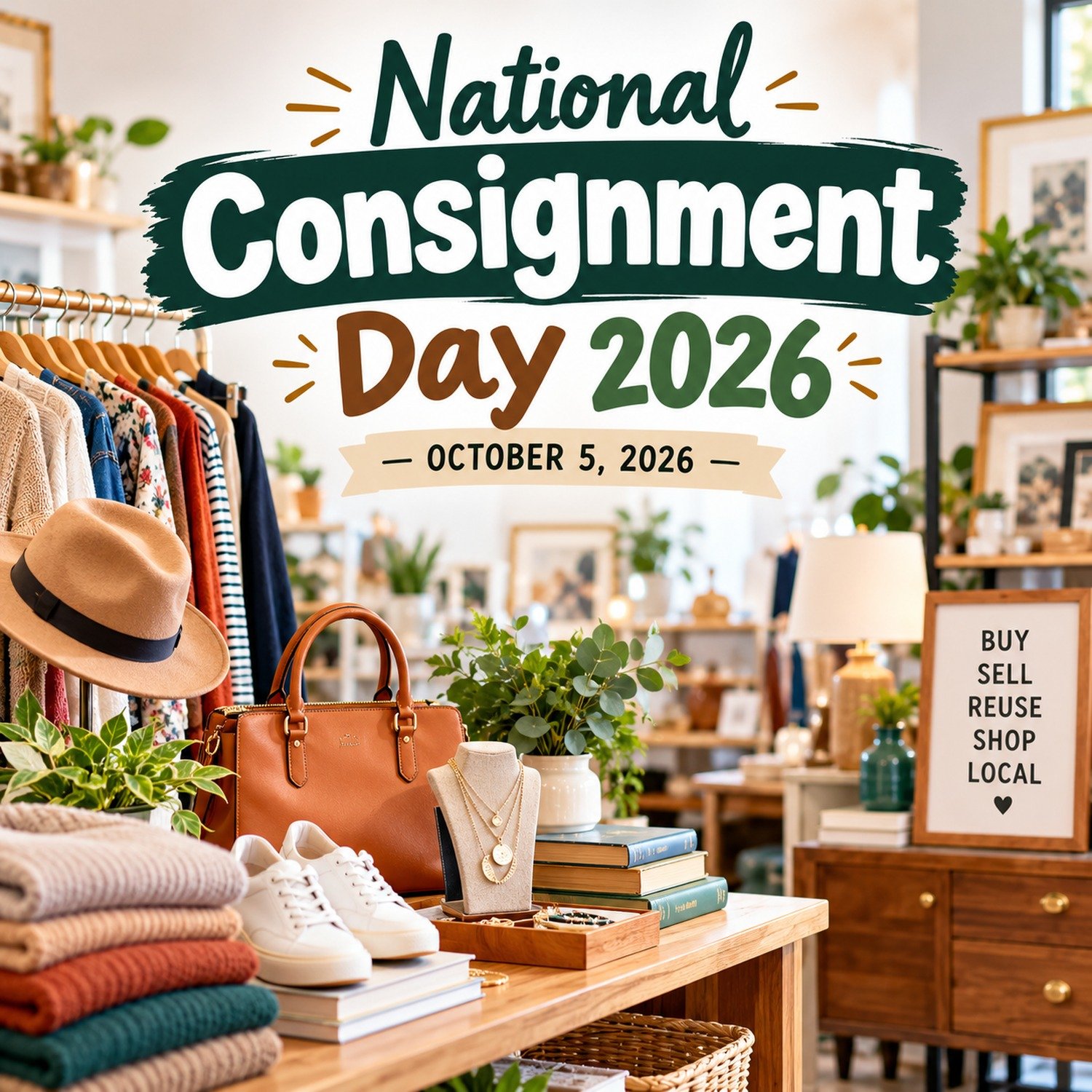
National Consignment Day 2026 is a good opportunity to learn about consignment and the role it plays in the resale market. Consignment allows people to sell unwanted but useful items through a business that handles much of the selling process.
Also Read: National Manufacturing Day 2026: Date, History, Facts & Ways to Celebrate
From clothing and handbags to furniture, antiques, and collectibles, many products can be resold through consignment. For buyers, consignment stores can provide access to pre-owned items, unique finds, and products that may cost less than buying new.
Whether you regularly shop secondhand or are new to consignment, this day offers a simple reason to understand how the process works and how you can take part.
What Is National Consignment Day?
National Consignment Day highlights the concept of consignment and the businesses that help people resell pre-owned goods.
In a typical consignment arrangement, an owner gives an item to a consignment business to sell. The business displays, markets, and sells the item. Once it sells, the original owner receives an agreed portion of the sale, while the business keeps its commission.
The exact terms vary between businesses. Some stores specialize in clothing, while others focus on furniture, antiques, luxury goods, children’s products, or other categories.
National Consignment Day is also a chance to recognize the value of reusing products and giving them another opportunity to be useful.
When Is National Consignment Day 2026?
National Consignment Day 2026 is observed on October 5, 2026.
The day can be marked by learning about consignment, visiting a local consignment store, selling suitable items, or choosing a pre-owned product.
If you plan to sell something, check the individual store’s rules first because acceptance policies, commissions, payment schedules, and handling of unsold items can vary.
History of National Consignment Day
Consignment has been used as a method of selling goods for many years. Its basic principle is simple: an owner provides a product to another party for sale, and the owner receives an agreed share of the proceeds when the product sells.
Over time, consignment became particularly common for products such as clothing, furniture, antiques, collectibles, and accessories.
The rise of secondhand shopping and online resale has expanded the idea further. Today, consumers can find consignment businesses both in physical stores and online.
National Consignment Day brings attention to this resale model and encourages consumers to consider how products can continue to be useful after their first owner no longer needs them.
For More Information Read Here…
What Does Consignment Mean?
Consignment means placing an item with a business or seller so that it can be sold on the owner’s behalf.
For example, suppose you have a good-quality handbag that you no longer use. Instead of selling it directly to a store, you could give it to a consignment business.
The business displays the handbag and finds a customer. After the sale, you receive the percentage agreed upon in the consignment agreement, while the business receives its commission.
This differs from selling an item directly to a retailer, where the retailer may purchase the item from you upfront.
How Does a Consignment Store Work?
1. The Seller Provides the Item
The owner takes the item to a consignment store or follows the store’s submission process.
2. The Store Evaluates It
The business may check the item’s condition, brand, style, demand, age, and suitability for its customers.
3. A Selling Price Is Determined
The store and seller may agree on a price, or the store may use its own pricing rules.
4. The Item Is Displayed
The product is placed in the physical store, online shop, or both.
5. A Customer Purchases It
When the product sells, the transaction is completed by the business.
6. The Seller Receives Their Share
The seller receives the agreed portion of the selling price according to the store’s payment terms.
7. Unsold Items Are Handled
If the item does not sell within the agreed period, it may be returned, discounted, donated, or handled according to the original agreement.
What Can You Sell on Consignment?
The products accepted depend on the individual business. Common examples include:
- Clothing
- Shoes
- Handbags
- Jewelry
- Accessories
- Furniture
- Home décor
- Antiques
- Collectibles
- Children’s products
- Sports equipment
- Designer products
- Vintage items
Some stores accept only specific categories or brands. Others may have requirements related to condition, season, age, or current demand.
Benefits of Consignment for Sellers
Opportunity to Earn From Unused Items
Consignment gives owners a way to potentially earn money from products they no longer need.
Less Selling Work
The business may handle product display, customer communication, marketing, and the sales transaction.
Access to Existing Customers
A consignment store may already have customers interested in the types of products it accepts.
Convenient Resale Option
Consignment can be useful for people who do not want to create listings, communicate with multiple buyers, arrange payments, or manage shipping themselves.
Benefits of Consignment for Buyers
Access to Pre-Owned Products
Consignment stores provide another way to shop for clothing, furniture, accessories, and other products.
Unique Finds
Buyers may discover vintage, discontinued, unusual, or hard-to-find items.
Potentially Lower Prices
Some pre-owned products may be available for less than comparable new products, although prices vary.
More Product Variety
Secondhand stores can offer products from different brands, years, styles, and price ranges.
Consignment vs. Thrift Stores vs. Resale Stores
These terms are sometimes confused, but their business models can differ.
| Type | How Items Are Usually Obtained | Does the Original Owner Usually Get Paid? |
|---|---|---|
| Consignment store | Owners provide products for resale | Yes, after the item sells |
| Thrift store | Often receives donated products | Usually no |
| Resale store | May purchase products directly | Often yes, depending on the store |
The exact model depends on the individual business, so customers and sellers should check the store’s policies.
Why Does Consignment Matter?
Consignment is part of the larger secondhand economy. It provides another option for products that are no longer wanted by their original owners but may still be useful.
Instead of immediately discarding a product, an owner can attempt to find another buyer. This can be especially useful for clothing, furniture, accessories, and other durable products.
Consignment also gives shoppers another choice besides purchasing new products.
Consignment and Sustainable Shopping
Consignment can support the reuse of existing products by helping them move from one owner to another.
This approach may help extend the useful life of products and encourage consumers to consider secondhand options.
However, consignment is only one part of responsible consumption. The environmental impact of a product depends on many factors, including how it was manufactured, transported, used, maintained, and eventually disposed of.
The main benefit of consignment is that usable products have another opportunity to be used.
How to Celebrate National Consignment Day 2026
There are several simple ways to participate.
Visit a Consignment Store
Explore a local consignment store and learn about the products it accepts and sells.
Sell Items You No Longer Need
Look through your wardrobe, home, or storage space for quality items that you no longer use.
Buy Something Pre-Owned
Consider choosing a secondhand item instead of automatically buying something new.
Organize Your Belongings
Use the day as a reminder to review clothes, accessories, furniture, and other items you no longer need.
Learn About Consignment
If you want to sell something, read the store’s terms carefully before submitting your items.
Support a Local Business
Shopping at a local consignment store can help support a small resale business in your community.
Tips for Selling Items on Consignment
Clean Your Items
Clean clothing and other products before submitting them. Good presentation can make an item more suitable for resale.
Check the Store’s Requirements
Find out which brands, categories, sizes, styles, and conditions the store accepts.
Understand the Commission
Ask what percentage of the selling price you will receive and what percentage the business keeps.
Ask About Payment
Find out when and how you will be paid after an item sells.
Understand the Unsold-Item Policy
Ask what happens if your item does not sell within the agreed period.
Read the Agreement
Make sure you understand the store’s terms before leaving your property with the business.
Tips for Buying From a Consignment Store
Inspect the Condition
Look for stains, tears, scratches, missing buttons, broken zippers, or other signs of damage.
Check Measurements
When buying clothing, check measurements because sizing can differ between brands and styles.
Compare Prices
Consider the item’s condition, age, brand, and price before deciding whether it offers good value.
Check Expensive Items Carefully
For designer or collectible products, consider purchasing from a reputable business and checking authenticity where appropriate.
Check the Return Policy
Some consignment stores have limited or no-return policies. Always check the rules before completing a purchase.
Online Consignment vs. Physical Stores
Consignment is no longer limited to traditional stores. Online resale businesses allow products to reach customers beyond the seller’s local area.
Online consignment can provide convenience and a larger potential audience, but sellers may need to deal with photographs, descriptions, shipping, and online customer service.
Physical stores allow buyers to inspect products in person. They can check the material, condition, size, and other details before purchasing.
Both options can work well depending on the product and the preferences of the buyer or seller.
Why Is Consignment Still Popular?
Consignment remains relevant because many consumers are interested in secondhand products, unique finds, vintage items, and ways to save money.
The growth of online resale has also made it easier for buyers and sellers to connect.
Although technology has changed how products are marketed and sold, the basic concept remains the same: a product that is no longer needed by one person can potentially become useful to someone else.
National Consignment Day Ideas for Businesses
Consignment businesses can use National Consignment Day as an opportunity to educate customers and highlight their services.
Some simple ideas include:
- Host a special shopping event.
- Offer a limited-time seller promotion.
- Highlight new arrivals.
- Share customer stories.
- Explain how the consignment process works.
- Promote secondhand shopping.
- Feature vintage or unique products.
- Encourage customers to bring in suitable items.
- Share educational posts on social media.
The focus should be on providing useful information and creating a positive customer experience.
Frequently Asked Questions About National Consignment Day 2026
What is National Consignment Day 2026?
National Consignment Day 2026 is an observance that highlights consignment and the resale of pre-owned products.
When is National Consignment Day 2026?
National Consignment Day 2026 is observed on October 5, 2026.
How does consignment work?
A product owner gives an item to a consignment business to sell. When the item sells, the owner receives an agreed share of the sale and the business keeps its commission.
What items can I sell on consignment?
Depending on the store, you may be able to consign clothing, shoes, handbags, jewelry, furniture, antiques, collectibles, home décor, and other products.
Do consignment stores pay sellers immediately?
Generally, sellers are paid after their items sell, according to the store’s payment schedule. The exact terms vary by business.
What is the difference between consignment and thrift shopping?
In consignment, the original owner generally receives part of the proceeds after an item sells. Thrift stores commonly sell donated items, with the donor generally receiving no payment.
How can I celebrate National Consignment Day?
You can visit a consignment store, sell suitable items, buy secondhand products, organize your belongings, or learn more about the resale process.
Final Thoughts
National Consignment Day 2026 is a useful reminder that products we no longer need can still have value. Consignment provides sellers with a way to resell suitable items and gives buyers another option for finding pre-owned products.
Whether you are cleaning out your closet, looking for a unique item, or simply interested in secondhand shopping, October 5 is a good opportunity to learn more about consignment and support the resale community.