

Introduction
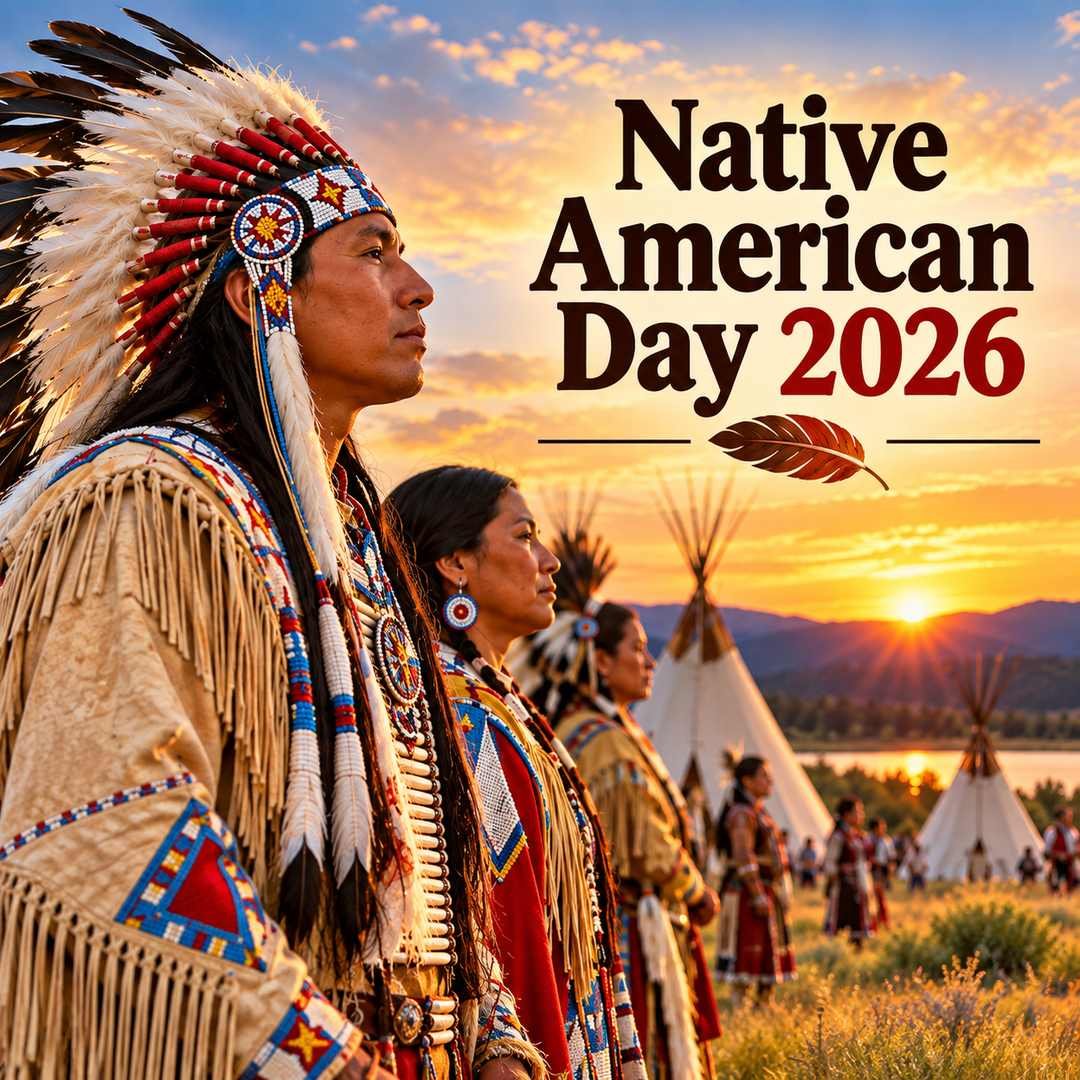
Native American Day 2026 is an important observance that provides an opportunity to learn about Native American peoples, cultures, traditions, histories, and contributions to the United States. It is also a time to appreciate the diversity of Native communities and understand their continuing presence and influence in American society.
Unlike some national holidays that have one fixed date across the country, Native American Day is observed on different dates in different states. In 2026, the observance takes place on different days depending on the state.
For many people, Native American Day is more than a date on the calendar. It is an opportunity to learn, reflect, appreciate cultural diversity, and discover more about the histories and traditions of Native communities.
When Is Native American Day 2026?
Native American Day does not have one universal date throughout the United States. Individual states may choose their own date, name, and form of observance.
Here are some Native American Day dates for 2026:
| State | Native American Day 2026 |
|---|---|
| Wyoming | May 8, 2026 |
| Arizona | June 7, 2026 |
| Delaware | September 12, 2026 |
| California | September 25, 2026 |
| Nevada | September 25, 2026 |
| Oklahoma | October 12, 2026 |
| South Dakota | October 12, 2026 |
Because the observance is organized differently from state to state, it is useful to check the official calendar of your state for the exact date and designation.
What Is Native American Day?
Native American Day is an observance that recognizes Native American peoples and highlights their cultures, histories, traditions, achievements, and contributions.
The term Native American includes many different Indigenous communities and Tribal Nations. These communities have their own languages, histories, traditions, governments, art forms, beliefs, and cultural practices.
For this reason, Native American Day should not be viewed as celebrating one single culture. Instead, it can be an opportunity to learn about the many different Native communities that have shaped the history and culture of the United States.
The day also encourages people to learn about Native Americans as contemporary communities rather than viewing them only through the history of the past.
History of Native American Day
The idea of dedicating a special day to recognize American Indian and Native American communities dates back more than a century.
In the early 1900s, efforts began to establish an official day recognizing American Indian people. Different states gradually introduced their own observances, with different dates and names.
New York was among the early states to recognize an American Indian Day in the early 20th century. Over the following decades, other states developed similar observances.
California later established its own Native American Day tradition, with the observance associated with the fourth Friday of September. The state eventually recognized Native American Day as an official state holiday.
South Dakota developed its own Native Americans’ Day observance as part of efforts connected with reconciliation and recognition of Native American communities.
As these observances developed, states adopted different dates, names, and traditions. This is why there is no single date for Native American Day across the entire United States.
Why Is Native American Day Important?
Native American Day can be meaningful for several reasons.
Celebrating Native American Culture
Native American cultures include a wide range of languages, arts, stories, music, food traditions, crafts, and community practices.
Learning about these traditions can help people better understand the cultural diversity of the United States.
Learning About Native American History
Native American history is an important part of American history. Learning about Native nations can provide a broader understanding of the country’s past.
It also helps students and adults recognize that Native communities have long and diverse histories that extend far beyond commonly taught historical events.
Recognizing Native American Contributions
Native Americans have made important contributions to American life in areas such as agriculture, environmental knowledge, art, literature, education, government, science, military service, and public life.
Native people continue to contribute to communities across the country today.
Preserving Languages and Traditions
Many Native communities work to preserve and strengthen their languages, traditions, stories, arts, and cultural knowledge.
Native American Day can encourage greater awareness of these preservation efforts.
Encouraging Education
The observance can also encourage schools, families, and communities to learn from reliable educational resources and, whenever possible, from Native authors, educators, historians, artists, and community members.
Native American Day and the Diversity of Native Nations
One of the most important things to understand about Native American Day is that Native Americans are not one single cultural group.
There are hundreds of federally recognized Tribal Nations in the United States, along with other Native communities. Each has its own history, traditions, identity, and relationship with its homeland.
Native communities can differ significantly in:
- Language
- Traditional arts
- Food
- Clothing
- History
- Governance
- Ceremonies
- Storytelling
- Music
- Community traditions
Because of this diversity, it is important to avoid describing all Native Americans as if they share exactly the same culture.
Learning about individual Tribal Nations can provide a much more accurate and meaningful understanding.
Native American Day vs. Indigenous Peoples’ Day
Native American Day and Indigenous Peoples’ Day are related but are not necessarily the same observance.
Native American Day is generally used by particular states to recognize Native American people, history, culture, and contributions.
Indigenous Peoples’ Day is another observance that recognizes Indigenous peoples and their histories and cultures. It is commonly observed on the second Monday of October in places that recognize it.
The two observances may overlap in their themes, but their histories, names, dates, and legal status can differ depending on the location.
Is Native American Day a Federal Holiday?
Native American Day is not a single nationwide federal holiday observed on one date throughout the United States.
Instead, it is recognized through state-level holidays or observances in certain states.
This means that schools, businesses, government offices, and other organizations may have different schedules depending on their state and local policies.
How Is Native American Day Celebrated?
Native American Day can be observed in many different ways.
Depending on the community and location, activities may include:
- Cultural events
- Educational programs
- Museum exhibitions
- Historical presentations
- Storytelling
- Art displays
- Music and dance programs
- Community gatherings
- School activities
- Lectures
- Workshops
- Traditional arts and crafts demonstrations
Some events may feature Native American artists, educators, historians, authors, elders, or community leaders.
Native American Day Activities for Schools
Native American Day can be a valuable educational opportunity for students.
Here are some activities teachers can consider:
1. Research a Tribal Nation
Students can select a Tribal Nation and learn about its history, location, language, traditions, and contemporary community.
2. Read Books by Native Authors
Teachers can introduce students to books written or illustrated by Native American authors and creators.
3. Learn About Native Languages
Students can explore the importance of Indigenous languages and learn about language preservation and revitalization efforts.
4. Prepare a History Presentation
Students can create presentations about Native American history, important Native figures, or specific Tribal Nations.
5. Explore Native American Art
Students can learn about Native American art forms and explore how traditional and contemporary Native artists express culture and identity.
6. Visit a Museum or Cultural Center
A museum or Native-led cultural organization can provide students with an opportunity to learn through exhibitions, educational programs, and firsthand cultural information.
7. Invite a Native Speaker or Educator
Schools can consider inviting a Native educator, author, historian, artist, or community member to speak with students.
Educational activities should focus on learning and respect. Students should not be encouraged to imitate sacred ceremonies, traditions, or cultural practices.
How to Respectfully Celebrate Native American Day
Celebrating Native American Day respectfully begins with learning rather than relying on stereotypes.
Here are some meaningful ways to observe the day:
- Learn about the Tribal Nations in your region.
- Read books by Native American authors.
- Learn about Native American history from reliable sources.
- Visit Native-led museums and cultural organizations.
- Support Native artists and creators.
- Attend public cultural events.
- Listen to Native educators and community members.
- Learn about Native languages and cultural preservation.
- Avoid stereotypes and inaccurate representations.
- Do not treat Native culture as a costume or theme.
- Respect sacred symbols, ceremonies, and traditions.
A respectful approach recognizes that Native American communities are living, diverse communities with contemporary voices, achievements, and challenges.
Native American Contributions to American History and Culture
Native peoples have contributed to American society in many different ways.
Agriculture
Native peoples developed extensive knowledge of agriculture, plants, food production, and local environments. Many foods that are now important around the world have deep Indigenous histories in the Americas.
Environmental Knowledge
Many Native communities have developed detailed knowledge of local ecosystems, plants, animals, water, and land.
This knowledge continues to be important in discussions about conservation and environmental stewardship.
Art and Literature
Native American artists and writers contribute to both traditional and contemporary culture.
Their work includes painting, pottery, weaving, beadwork, sculpture, photography, film, poetry, fiction, and other forms of creative expression.
Languages
Native American languages represent an important part of Indigenous cultural identity. Many communities are working to preserve and revitalize their languages for future generations.
Leadership and Public Service
Native Americans serve in government, education, healthcare, business, military service, science, entertainment, and many other fields.
Their contributions continue to shape communities across the United States.
Native American Day 2026 Facts
Here are some quick facts about Native American Day 2026:
- Native American Day does not have one nationwide date.
- Different states observe it on different dates.
- Wyoming observes Native American Day on May 8 in 2026.
- Arizona observes Native American Day on June 7 in 2026.
- Delaware observes it on September 12 in 2026.
- California observes Native American Day on September 25 in 2026.
- Nevada observes Native American Day on September 25 in 2026.
- Oklahoma observes Native American Day on October 12 in 2026.
- South Dakota observes Native Americans’ Day on October 12 in 2026.
- California’s observance is associated with the fourth Friday of September.
- Native American Day has roots in early 20th-century efforts to recognize American Indian communities.
- Native American Day is different from Native American Heritage Day.
- Native American Heritage Month is observed throughout November.
- Native American communities represent many different Tribal Nations and cultures.
- Native American history is an important part of the history of the United States.
Native American Day 2026 State-by-State
For quick reference, here are some of the state observances in 2026:
Wyoming: May 8, 2026
Arizona: June 7, 2026
Delaware: September 12, 2026
California: September 25, 2026
Nevada: September 25, 2026
Oklahoma: October 12, 2026
South Dakota: October 12, 2026
The exact legal status of the observance can vary by state. Some states may recognize the day as a holiday, while others may designate it as an observance.
Frequently Asked Questions About Native American Day 2026
When is Native American Day 2026?
Native American Day is observed on different dates depending on the state. In 2026, the dates include May 8 in Wyoming, June 7 in Arizona, September 12 in Delaware, September 25 in California and Nevada, and October 12 in Oklahoma and South Dakota.
What is Native American Day?
Native American Day is an observance recognizing Native American peoples, cultures, histories, traditions, and contributions.
Is Native American Day a federal holiday?
No. Native American Day is not a single nationwide federal holiday. It is primarily recognized through state-level holidays or observances.
When is Native American Day in California in 2026?
Native American Day in California will be observed on Friday, September 25, 2026.
When is Native American Day in Nevada in 2026?
Nevada observes Native American Day on Friday, September 25, 2026.
When is Native Americans’ Day in South Dakota in 2026?
South Dakota observes Native Americans’ Day on Monday, October 12, 2026.
Is Native American Day the same as Indigenous Peoples’ Day?
No. Although both observances recognize Indigenous peoples and their histories, they are separate observances and may have different dates and legal designations.
How can schools celebrate Native American Day?
Schools can organize history lessons, research projects, presentations, book discussions, art activities, cultural education programs, and talks by Native educators or community members.
How can I celebrate Native American Day respectfully?
You can learn about specific Tribal Nations, read works by Native authors, support Native artists, attend educational events, and avoid stereotypes or imitation of sacred cultural practices.
Final Thoughts
Native American Day 2026 is a valuable opportunity to learn about the rich and diverse histories, cultures, traditions, and contributions of Native American communities.
Because different states observe the day on different dates, there is no single date that applies to everyone across the United States. Checking the observance in your state is therefore important.
More importantly, Native American Day can be a starting point for meaningful learning. Instead of viewing Native American history only as part of the past, we can recognize the many Native communities, leaders, artists, educators, writers, and families who continue to contribute to American society today.
Whether you are a student, teacher, parent, blogger, or simply someone interested in learning more, Native American Day 2026 offers an opportunity to learn with curiosity, accuracy, and respect.