

Introduction
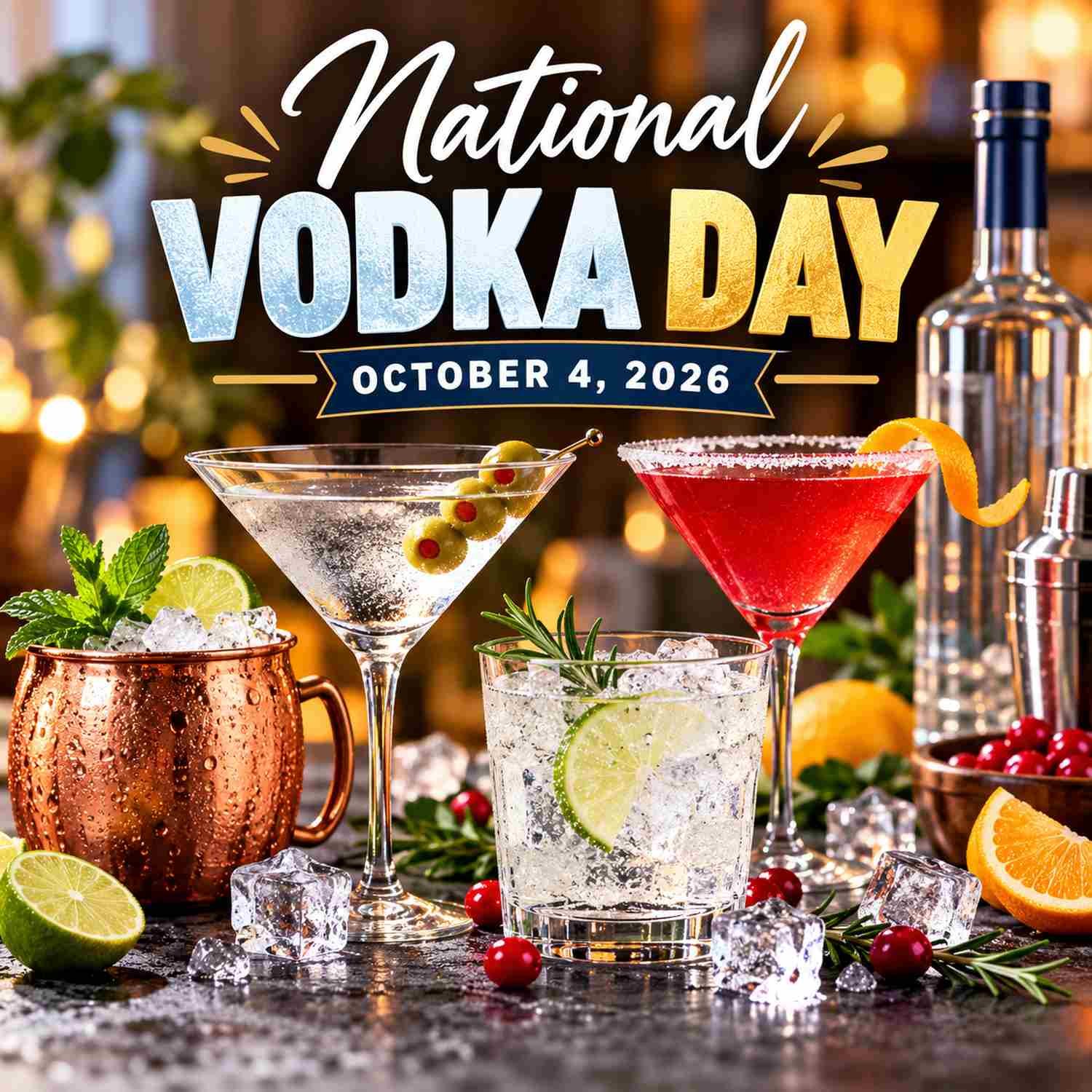
National Vodka Day 2026 is a popular annual observance that gives adults an opportunity to explore the history, culture, production, and cocktail traditions surrounding vodka. Celebrated every year on October 4, the occasion has become a recognizable date for vodka enthusiasts, cocktail lovers, restaurants, bars, and food-and-drink websites.
Also Read: Fire Prevention Week 2026: Theme, Dates, History, Importance and Fire Safety Tips
In 2026, National Vodka Day falls on Sunday, October 4. Since the date arrives on a weekend, it can be an ideal opportunity for adults to learn about vodka, prepare classic cocktails, explore new recipes, enjoy food pairings, or simply spend time with friends. People who do not consume alcohol can also participate with creative mocktails and alcohol-free alternatives.
But how did National Vodka Day begin? Where did vodka originate? How is vodka made, and what are some of the most popular vodka cocktails? This complete guide to National Vodka Day 2026 explores the answers to these questions along with interesting facts, celebration ideas, social media captions, and frequently asked questions.
When Is National Vodka Day 2026?
National Vodka Day is observed every year on October 4.
In 2026, the observance falls on a Sunday.
National Vodka Day 2026: October 4, 2026
Day: Sunday
Month: October
Frequency: Annual
Focus: Vodka, cocktails, history, culture, recipes, and responsible celebration
For anyone searching for “When is National Vodka Day 2026?”, the answer is Sunday, October 4, 2026.
October 4 is commonly recognized as National Vodka Day in the United States. However, unlike official federal holidays, it is a themed observance rather than a public holiday that gives people a day off from work.
What Is National Vodka Day?
National Vodka Day is an annual observance celebrating vodka and the culture surrounding this well-known distilled spirit.
Vodka has a long and complicated history and is strongly associated with countries in Eastern and Northern Europe. Over time, it became an internationally popular spirit and developed an especially strong connection with cocktail culture.
Today, vodka is used in a huge variety of drinks. Its relatively neutral flavor makes it particularly versatile because it can be combined with fruit juices, citrus, herbs, spices, soda, tonic water, coffee liqueurs, and other ingredients.
National Vodka Day can therefore be viewed as more than an excuse to enjoy a drink. It can also be a chance to learn about the history of vodka, discover classic cocktails, explore different production methods, and appreciate the culinary traditions connected with the spirit.
The History and Origins of Vodka
Vodka has one of the most interesting histories among distilled spirits, although its exact origins remain a subject of historical discussion.
Russia and Poland are particularly associated with the development of vodka. Both countries have long traditions involving distilled alcoholic beverages, and historical records from the region provide important context for the development of spirits resembling modern vodka.
The word “vodka” is generally connected with a Slavic word associated with water. This linguistic connection reflects the historical importance of the spirit within Slavic-speaking cultures.
Early versions of vodka were not necessarily identical to the highly refined and neutral spirit commonly sold today. Distillation technology gradually improved, allowing producers to refine spirits and develop more consistent products.
Over the centuries, vodka production expanded and changed. Improvements in distillation, filtration, transportation, and commercial production helped vodka move beyond its traditional regional markets.
Eventually, vodka became a major international spirit and an important ingredient in modern cocktail culture.
For More Information Read Here…
How Did Vodka Become Popular in the United States?
Vodka gradually gained popularity in the United States during the 20th century.
One major factor was its versatility. Vodka’s relatively neutral character made it suitable for combining with a wide range of mixers and flavors. This gave bartenders plenty of opportunities to create simple and sophisticated cocktails.
Several famous drinks helped establish vodka in American cocktail culture. The Moscow Mule, Bloody Mary, Vodka Martini, Cosmopolitan, and Screwdriver are examples of drinks that helped introduce vodka to different audiences.
Marketing and changing consumer preferences also contributed to vodka’s growth. Over time, the spirit became associated with modern cocktails, nightlife, restaurants, social occasions, and premium beverage brands.
Today, vodka remains one of the most recognizable categories of distilled spirits in the United States and many other markets.
How Is Vodka Made?
Although vodka production varies from producer to producer, the general process involves several important stages.
Choosing the Raw Material
Vodka can be made from a variety of agricultural ingredients. Grains and potatoes are traditionally associated with vodka production, while other suitable carbohydrate sources may also be used.
The chosen ingredient can influence the characteristics of the finished spirit.
Fermentation
The raw material is prepared so that its fermentable carbohydrates can be converted into alcohol. Yeast plays an important role during fermentation.
This produces a fermented liquid containing alcohol, which is then prepared for distillation.
Distillation
Distillation concentrates the alcohol and helps separate unwanted compounds from the desired spirit.
Modern vodka production can involve sophisticated distillation systems designed to create a clean and consistent product.
Filtration
Some vodka producers use filtration to further refine the spirit. Different filtration methods may be used depending on the producer and the desired characteristics.
Dilution and Bottling
After distillation and any additional processing, vodka is generally diluted with water to reach its intended bottling strength. It is then bottled, labeled, and prepared for distribution.
These production stages help explain why different vodkas can have noticeably different textures, aromas, and finishes despite belonging to the same general category.
What Does Vodka Taste Like?
Vodka is commonly described as a neutral spirit, but that does not mean every vodka tastes identical.
The flavor and mouthfeel of vodka can be influenced by:
- Raw materials
- Distillation techniques
- Filtration
- Water quality
- Production methods
- Bottling strength
- Storage and handling
Some vodkas may feel particularly smooth, while others can have subtle grain, mineral, peppery, sweet, or earthy characteristics.
This relatively neutral profile is one reason vodka is so useful in cocktails. It can provide the alcoholic base without overpowering other ingredients.
Popular Types of Vodka
There are many different vodka products available today, and they can be grouped in several ways.
Plain or Unflavored Vodka
Plain vodka is the traditional unflavored style. It is commonly used in classic cocktails and simple mixed drinks.
Flavored Vodka
Flavored vodka products are available in varieties such as lemon, orange, raspberry, vanilla, watermelon, berry, and other flavors.
These products can make it easier to create cocktails with a specific flavor profile.
Grain Vodka
Grain vodka is produced from grains such as wheat, rye, or other cereals, depending on the producer and production method.
Potato Vodka
Potatoes have a long association with vodka production. Potato-based vodka can have a distinctive texture and character.
Craft Vodka
Craft vodka producers may focus on small-batch production, local ingredients, distinctive techniques, or regional identity.
Popular Vodka Cocktails
Vodka is one of the most versatile cocktail spirits. Some classic and widely recognized vodka cocktails include the following.
Moscow Mule
The Moscow Mule traditionally combines vodka, ginger beer, and lime. It is known for its refreshing citrus flavor and spicy ginger character.
Vodka Martini
A Vodka Martini generally combines vodka with dry vermouth and is served chilled. It may be garnished with an olive or lemon twist.
Bloody Mary
The Bloody Mary combines vodka with tomato juice and a selection of savory seasonings. It is especially known for its bold, savory flavor.
Cosmopolitan
The Cosmopolitan traditionally includes vodka, orange liqueur, cranberry juice, and lime. Its bright color and citrus-forward profile have made it a well-known cocktail.
Screwdriver
The Screwdriver is a simple combination of vodka and orange juice. Its straightforward recipe makes it one of the easiest vodka drinks to prepare.
Vodka Tonic
Vodka mixed with tonic water creates a simple and refreshing drink that can be served with a citrus garnish.
White Russian
The White Russian combines vodka with coffee liqueur and cream or a similar creamy ingredient.
Black Russian
The Black Russian is a simple cocktail made with vodka and coffee liqueur, without the cream used in a White Russian.
How to Celebrate National Vodka Day 2026
There are many ways to recognize National Vodka Day without making alcohol consumption the sole focus.
Try a Classic Cocktail
Adults who choose to drink can prepare a classic vodka cocktail and learn about its history and ingredients.
Explore a New Recipe
Try a cocktail recipe that uses ingredients you have not previously combined. Citrus, berries, herbs, spices, and sparkling mixers can create different flavor profiles.
Learn About Vodka
Read about vodka’s history, production, regional traditions, and role in cocktail culture.
Plan a Small Gathering
A casual gathering can include food, cocktails, mocktails, music, games, and vodka-themed trivia.
Explore Food Pairings
Seafood, cheese, smoked foods, pickled vegetables, spicy dishes, and charcuterie can complement many vodka-based drinks.
Visit a Distillery
Where legal and available, visiting a distillery can provide an educational look at how spirits are produced.
Choose Alcohol-Free Alternatives
People who do not consume alcohol can enjoy mocktails, sparkling drinks, alcohol-free spirits, and other creative beverages.
National Vodka Day 2026 Party Ideas
If you are planning a National Vodka Day gathering, focus on creating an enjoyable and inclusive experience.
Some ideas include:
- Set up a cocktail and mocktail station.
- Prepare different garnishes such as lemon, lime, orange, and fresh herbs.
- Create a vodka history trivia game.
- Serve small appetizers and finger foods.
- Prepare recipe cards for guests.
- Include alcohol-free beverages.
- Keep plenty of water available.
- Arrange safe transportation in advance.
- Encourage responsible drinking.
- Never pressure anyone to consume alcohol.
A thoughtful celebration can make National Vodka Day enjoyable for both drinkers and non-drinkers.
Interesting Vodka Facts
Here are some interesting facts that can make your National Vodka Day 2026 article more engaging:
- National Vodka Day is observed every year on October 4.
- National Vodka Day 2026 falls on Sunday, October 4.
- Vodka has strong historical associations with Eastern Europe.
- Russia and Poland are both closely associated with vodka’s history.
- The word vodka is connected to a Slavic word associated with water.
- Vodka can be produced using different agricultural ingredients.
- Grain is commonly used in vodka production.
- Potatoes have also traditionally been used to make vodka.
- Vodka is one of the most versatile cocktail spirits.
- Flavored vodka comes in many different varieties.
- Vodka is generally known for its relatively neutral character.
- Production techniques can affect vodka’s flavor and texture.
- The Moscow Mule is one of the best-known vodka cocktails.
- The Bloody Mary is a popular savory vodka-based cocktail.
- The Cosmopolitan is a famous vodka cocktail.
- Vodka has become an important part of international cocktail culture.
- Vodka can be enjoyed as part of alcohol-free cocktail-inspired recipes through suitable substitutes.
- The exact origin of National Vodka Day is not clearly established.
- National Vodka Day is an observance rather than a federal public holiday.
- People can celebrate National Vodka Day without consuming alcohol.
How to Celebrate National Vodka Day Without Alcohol
You do not need to drink alcohol to participate in National Vodka Day.
Try preparing an alcohol-free Moscow Mule-style drink using ginger beer and lime. You can also experiment with cranberry, citrus, berry, mint, or sparkling-water mocktails.
Other options include:
- Cranberry mocktails
- Citrus spritzers
- Berry coolers
- Alcohol-free Bloody Mary-style drinks
- Lemon and mint mocktails
- Orange and cranberry beverages
- Sparkling fruit drinks
You can also spend the day researching vodka history, preparing themed food, watching cocktail demonstrations, or creating a trivia game.
National Vodka Day 2026 Social Media Ideas
National Vodka Day offers plenty of opportunities for food and beverage content on Instagram, Facebook, Pinterest, TikTok, and other social platforms.
You can share:
- Classic vodka cocktail recipes
- Vodka history facts
- Cocktail preparation videos
- Mocktail recipes
- Vodka trivia
- Food-pairing suggestions
- National Vodka Day graphics
- Responsible-drinking reminders
Popular Hashtags
#NationalVodkaDay, #NationalVodkaDay2026, #VodkaDay, #VodkaCocktails, #CocktailLovers, #CocktailCulture, #October4, #CocktailRecipes, #VodkaFacts, #DrinkResponsibly
National Vodka Day 2026 Caption Ideas
Here are some short caption ideas for social media:
- “National Vodka Day 2026 is here. Celebrate responsibly!”
- “October 4 is a day to explore vodka, cocktails, and their fascinating history.”
- “Cheers to National Vodka Day 2026!”
- “Discover the history and versatility of vodka this October 4.”
- “Classic cocktails, good food, and responsible celebrations.”
- “Raise a glass—or a mocktail—to National Vodka Day!”
National Vodka Day 2026 FAQs
When is National Vodka Day 2026?
National Vodka Day 2026 is celebrated on Sunday, October 4, 2026.
What is National Vodka Day?
National Vodka Day is an annual observance dedicated to vodka, its history, production, cocktails, and beverage culture.
Why is National Vodka Day celebrated on October 4?
October 4 is the established date for the observance, although the precise reason the date was selected is not clearly documented.
Who started National Vodka Day?
The exact founder of National Vodka Day is not clearly established. It is best treated as a modern beverage-themed observance rather than attributing its creation to a particular person without reliable evidence.
Where did vodka originate?
Vodka has a complex history. Russia and Poland are both strongly associated with its historical development, although the exact origins are debated.
What are the most popular vodka cocktails?
Popular vodka cocktails include the Moscow Mule, Vodka Martini, Bloody Mary, Cosmopolitan, Screwdriver, Vodka Tonic, White Russian, and Black Russian.
How is vodka made?
Vodka is generally made by fermenting an agricultural ingredient, distilling the resulting liquid, and then using processes such as filtration and dilution, depending on the producer.
Can National Vodka Day be celebrated without alcohol?
Yes. Mocktails, alcohol-free beverages, food, vodka history, cocktail recipes, trivia, and themed gatherings can all be part of the celebration.
Is National Vodka Day a public holiday?
No. National Vodka Day is a themed observance rather than a federal public holiday.
How can people celebrate National Vodka Day responsibly?
Adults who choose to drink should follow applicable laws, avoid excessive consumption, never drink and drive, arrange safe transportation, and respect people who choose not to drink.
Final Thoughts on National Vodka Day 2026
National Vodka Day 2026 will be celebrated on Sunday, October 4, providing an opportunity to explore the fascinating history and international popularity of vodka.
From its strong connections with Eastern European traditions to its major role in modern cocktail culture, vodka has developed into one of the world’s most recognizable spirits. Its versatility has made it a popular ingredient in classic cocktails such as the Moscow Mule, Bloody Mary, Cosmopolitan, Vodka Martini, and Screwdriver.
Whether you are interested in National Vodka Day 2026, vodka history, cocktail recipes, interesting facts, or celebration ideas, October 4 offers a chance to explore the culture and versatility surrounding this famous spirit while keeping the occasion responsible and inclusive.