


Introduction
Mental health is an important part of overall well-being, but conversations about mental illness can still feel difficult or uncomfortable. Many people experience mental health challenges at some point in their lives, yet misunderstandings and stigma can make it harder to talk openly or seek appropriate support.
Also Read: World Animal Day 2026: Theme, History, Significance, Activities and Ways to Help Animals
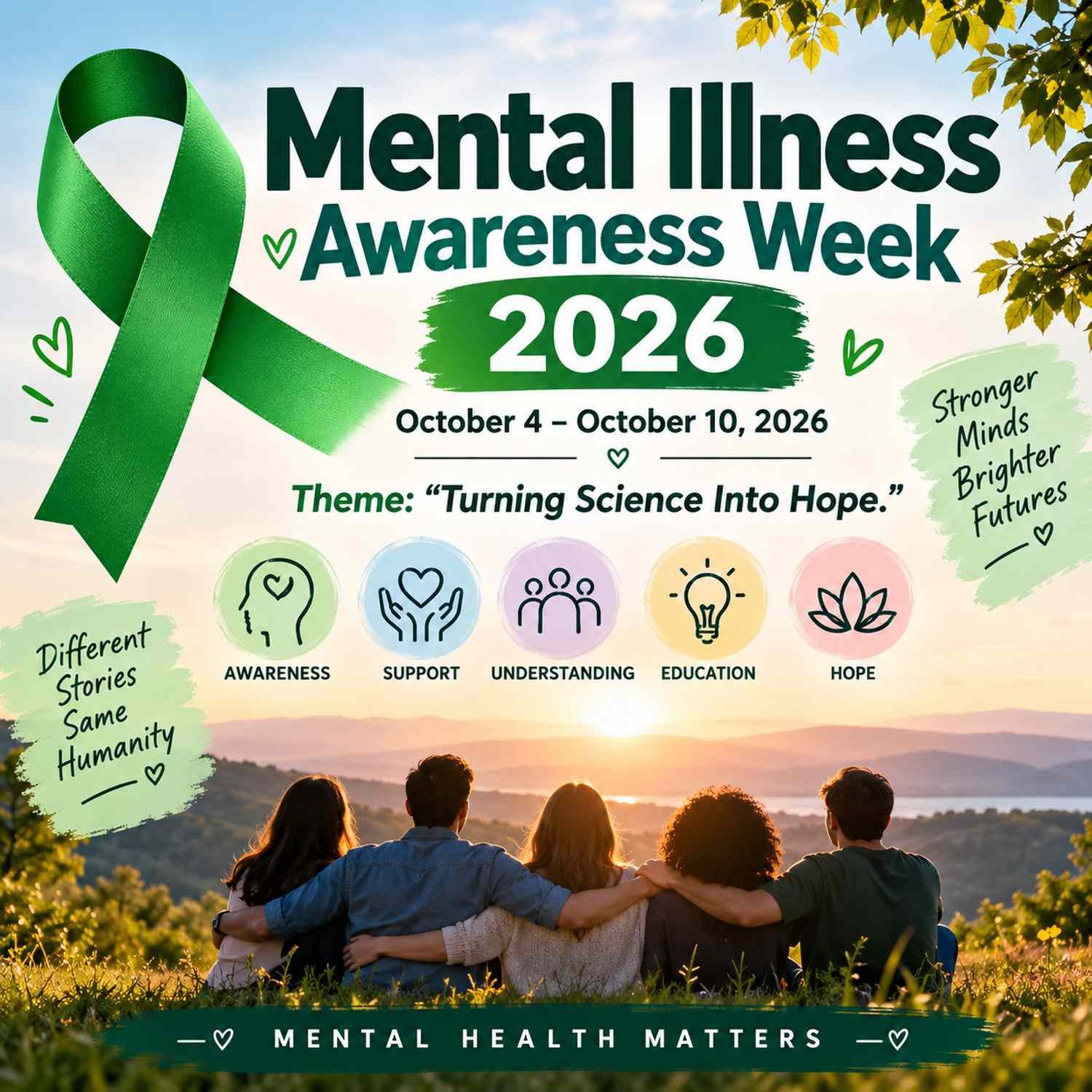
Mental Illness Awareness Week 2026 will be observed from October 4 to October 10, 2026. The theme for 2026 is “Turning Science Into Hope.” The theme highlights how research, scientific understanding, and evidence-based approaches can contribute to better awareness, support, and hope for people affected by mental illness.
Mental Illness Awareness Week is an opportunity to learn, listen, and encourage more compassionate conversations. It is also a time to recognize that mental illness does not define a person’s identity, abilities, relationships, or future.
In this article, we will explore the Mental Illness Awareness Week 2026 dates, theme, history, importance, common mental health conditions, warning signs, awareness activities, ways to support others, and ideas for schools, workplaces, and communities.
What Is Mental Illness Awareness Week?
Mental Illness Awareness Week is an annual observance focused on increasing understanding of mental illness and promoting awareness of mental health.
The week encourages people to learn about different mental health conditions, challenge harmful misconceptions, reduce stigma, and create more supportive communities.
Mental health conversations are important because a lack of understanding can sometimes lead to judgment or discrimination. Reliable information can help people recognize that mental health conditions are genuine health concerns that may require professional support.
The observance also provides an opportunity for individuals and organizations to highlight available resources and encourage people to take mental health seriously.
When Is Mental Illness Awareness Week 2026?
Mental Illness Awareness Week 2026 will take place from October 4 through October 10, 2026.
During this week, individuals, schools, workplaces, healthcare organizations, and communities can participate in activities designed to promote mental health awareness.
The October observance also provides a useful opportunity to connect mental health education with broader conversations about emotional well-being, stigma, support, and access to care.
If you are planning a school activity, workplace program, community event, or social-media campaign, October 4–10 is the key period to remember.
What Is the Mental Illness Awareness Week 2026 Theme?
The theme of Mental Illness Awareness Week 2026 is “Turning Science Into Hope.”
The theme emphasizes the connection between scientific knowledge and the experiences of people living with mental illness.
Mental-health research continues to improve our understanding of mental health conditions, risk factors, symptoms, treatments, and different forms of support. Scientific knowledge can help healthcare professionals and communities make better-informed decisions.
The word “hope” is also important because mental health challenges can sometimes leave people feeling isolated or discouraged. Access to accurate information, appropriate care, supportive relationships, and evidence-based treatment options can provide reasons to look toward the future.
The theme encourages people to recognize the value of research while remembering that every person’s mental health experience is different.
History of Mental Illness Awareness Week
Mental Illness Awareness Week has become an important annual mental-health awareness observance in the United States.
The observance was created to increase public awareness of mental illness and encourage greater understanding of people affected by mental health conditions.
In 1990, the United States Congress officially established the first full week of October as Mental Illness Awareness Week.
Since then, the observance has provided an opportunity for organizations and communities to educate the public about mental health and challenge misconceptions.
The National Alliance on Mental Illness (NAMI) has played a significant role in organizing awareness activities and providing educational resources connected with the observance.
Over time, Mental Illness Awareness Week has increasingly emphasized reducing stigma, supporting people with lived experience, encouraging informed conversations, and helping people understand where appropriate support may be available.
For More Information Read Here…
Why Is Mental Illness Awareness Week Important?
Mental Illness Awareness Week is important because mental health affects individuals, families, schools, workplaces, and communities.
It Helps Reduce Stigma
Stigma can cause people to feel ashamed, misunderstood, or afraid of being judged because of their mental health.
Awareness can challenge stereotypes and encourage people to view mental illness through a health and human perspective rather than through negative assumptions.
It Encourages People to Seek Support
Some people may ignore persistent mental health difficulties because they believe they should handle everything themselves.
Awareness campaigns can remind people that reaching out to a qualified professional is a valid and responsible step when mental health difficulties become difficult to manage.
It Improves Understanding
Mental illness includes many different conditions, and symptoms can vary greatly from person to person.
Education can help people understand that there is no single experience of mental illness.
It Promotes Compassion
Learning about mental health can encourage people to listen more carefully and avoid making assumptions about another person’s behavior or circumstances.
It Supports Families and Communities
Mental health challenges can affect not only individuals but also their families, friends, teachers, and coworkers. Better awareness can help communities respond with greater understanding.
What Is Mental Illness?
Mental illness refers to a range of health conditions that can affect a person’s thoughts, emotions, behavior, relationships, and ability to function in everyday life.
Different conditions can have different symptoms, causes, patterns, and treatment approaches.
Mental illness should not be viewed as a character flaw or simply a lack of willpower. A person’s mental health can be influenced by many biological, psychological, social, and environmental factors.
It is also important to remember that experiencing stress, sadness, worry, or another difficult emotion does not automatically mean someone has a mental illness.
Only a qualified professional can properly assess and diagnose a mental health condition.
Common Types of Mental Illness
There are many types of mental health conditions. Some commonly recognized conditions include:
Depression
Depression can involve persistent changes in mood, interest, energy, sleep, concentration, and other areas of daily functioning.
It is different from experiencing temporary sadness after a difficult event.
Anxiety Disorders
Anxiety disorders can involve persistent or excessive fear, worry, or anxiety that interferes with everyday activities.
Different anxiety disorders can have different symptoms and patterns.
Bipolar Disorder
Bipolar disorder involves episodes of significant mood changes, including depressive episodes and periods involving unusually elevated or irritable mood and increased energy or activity.
Post-Traumatic Stress Disorder
PTSD can develop after exposure to traumatic events. Symptoms can include intrusive memories, avoidance, changes in mood, and heightened reactions to reminders of the event.
Obsessive-Compulsive Disorder
OCD involves recurring unwanted thoughts, images, or urges and/or repetitive behaviors or mental acts that can cause significant distress or interfere with daily activities.
Eating Disorders
Eating disorders involve serious disturbances in eating behaviors and attitudes toward food, weight, or body image. They can affect people of different ages and backgrounds.
Schizophrenia and Other Psychotic Disorders
These conditions can involve changes in perception, thinking, behavior, or emotional responses and may include experiences such as hallucinations or delusions.
Professional assessment and appropriate care are important for people experiencing these symptoms.
Common Warning Signs of Mental Health Difficulties
Everyone experiences changes in mood and behavior from time to time. However, persistent or significant changes may indicate that someone could benefit from talking with a qualified professional.
Possible warning signs include:
- Persistent sadness or emotional distress
- Excessive or difficult-to-control worry
- Major changes in sleep
- Significant changes in eating habits
- Loss of interest in activities
- Difficulty concentrating
- Withdrawal from friends or family
- Major changes in mood or behavior
- Difficulty completing everyday responsibilities
- Feelings of hopelessness or worthlessness
- Increased difficulty coping with normal activities
These signs do not automatically indicate a mental illness. A proper assessment is needed to understand what a person is experiencing.
Mental Illness and Stigma
Stigma is one of the challenges surrounding mental illness.
People may avoid discussing mental health because they fear being judged, labeled, excluded, or treated differently.
Statements suggesting that someone should simply “get over it” can minimize genuine difficulties and discourage people from seeking support.
How Can We Reduce Mental Health Stigma?
Everyone can contribute to reducing stigma by:
- Learning from reliable sources
- Avoiding stereotypes
- Listening without judgment
- Using respectful language
- Avoiding jokes about mental illness
- Sharing accurate information
- Respecting personal privacy
- Encouraging appropriate professional support
- Treating people with dignity
Changing the way we talk about mental health can help create more welcoming and supportive communities.
Mental Health vs. Mental Illness
Mental health and mental illness are connected, but they are not exactly the same.
Mental health refers broadly to emotional, psychological, and social well-being. Everyone has mental health, and it can change throughout life.
Mental illness refers to specific health conditions that can affect thoughts, feelings, behaviors, and everyday functioning.
A person can experience difficulties with mental well-being without having a diagnosable mental illness. Similarly, someone living with a mental illness can experience periods of positive well-being.
Understanding this difference helps make mental-health conversations more accurate and useful.
How to Support Someone Experiencing Mental Health Challenges
Supporting someone does not mean you need to have all the answers.
Listen Without Judgment
Give the person space to talk. Try not to immediately criticize, dismiss their feelings, or compare their situation with someone else’s.
Ask How They Are Doing
A simple question such as, “How have you been feeling lately?” can create an opportunity for an honest conversation.
Encourage Professional Support
If someone is experiencing persistent or serious difficulties, encourage them to speak with an appropriate healthcare or mental-health professional.
Respect Privacy
Mental health is personal. Avoid sharing someone’s private experiences with others without permission, except when immediate safety concerns require appropriate action.
Keep Checking In
A single conversation may not solve everything. A follow-up message or conversation can show that you genuinely care.
How to Observe Mental Illness Awareness Week 2026
There are many simple ways to participate in Mental Illness Awareness Week.
Learn About Mental Health
Spend some time learning about mental health conditions, stigma, warning signs, and available forms of support.
Share Reliable Information
Share educational information from trustworthy healthcare and mental-health organizations rather than unverified social-media claims.
Have an Open Conversation
Ask friends, family members, or coworkers how they are doing. Sometimes a respectful conversation can make it easier for someone to feel heard.
Attend an Awareness Event
Look for local community events, educational programs, workshops, or discussions during the week.
Support Mental Health Organizations
You can support mental-health organizations through volunteering, fundraising, educational activities, or community participation.
Practice Compassion
Awareness is not only about sharing information. It is also about treating people with patience, respect, and understanding.
Mental Illness Awareness Week Activities
Schools, workplaces, and communities can organize many activities during Mental Illness Awareness Week.
Ideas include:
- Mental-health education workshops
- Awareness presentations
- Myth-versus-fact activities
- Community discussions
- Resource fairs
- Art and storytelling projects
- Counseling sessions
- Workplace wellness programs
- Awareness walks
- Fundraising campaigns
- Social-media campaigns
- Peer-support discussions
- Mental-health information displays
- Kindness and inclusion activities
Activities should be age-appropriate and respectful of participants’ privacy.
Mental Illness Awareness Week at Schools
Schools can play an important role in encouraging healthy conversations about mental health.
Teachers and counselors can introduce age-appropriate discussions about emotions, stress, coping, kindness, bullying, and seeking help.
Schools could organize:
- Mental-health awareness presentations
- Counselor-led discussions
- Anonymous question boxes
- Anti-bullying activities
- Kindness campaigns
- Student wellness activities
- Parent information sessions
- Mental-health resource displays
Students should not be encouraged to diagnose themselves or their classmates. The focus should remain on education, support, healthy communication, and knowing where to seek help.
Mental Illness Awareness Week in the Workplace
Workplaces can also use Mental Illness Awareness Week to promote healthier conversations about mental health.
Employers can provide educational information, share available support resources, and organize appropriate wellness activities.
Possible workplace activities include:
- Mental-health awareness workshops
- Wellness sessions
- Stress-management education
- Employee resource guides
- Manager training
- Discussions about stigma
- Information about available support services
Workplaces should respect confidentiality and should never pressure employees to disclose personal health information.
Mental Illness Awareness Week Social Media Ideas
Social media can help spread mental-health information to a wider audience.
Some content ideas include:
- Mental-health facts
- Mental illness myths and facts
- Warning signs
- Ways to support a friend
- Mental-health terminology
- Awareness graphics
- Educational videos
- Mental-health resources
- Personal stories shared with permission
- Awareness activities
Useful hashtags can include #MentalIllnessAwarenessWeek, #MentalHealthAwareness, and #TurningScienceIntoHope.
However, social-media posts should not be presented as diagnostic tools. Mental health information should be shared responsibly and supported by reliable sources.
How to Start a Conversation About Mental Health
Starting a conversation can feel difficult, but it does not have to be complicated.
You could say:
- “How have you been feeling lately?”
- “I’ve noticed you seem to be having a difficult time. Would you like to talk?”
- “I’m here if you want someone to listen.”
- “Would you like help finding someone you can talk to?”
- “You don’t have to explain everything right now.”
The purpose of the conversation is not necessarily to solve the person’s problems. Listening and showing genuine concern can be an important first step.
Mental Illness Awareness Week and Professional Help
Awareness information can educate people, but it cannot replace professional assessment or treatment.
If mental-health symptoms are persistent, severe, or interfering with everyday life, speaking with a qualified healthcare or mental-health professional may be appropriate.
Depending on the situation, support may involve a doctor, psychologist, psychiatrist, counselor, social worker, or another qualified professional.
Anyone facing an immediate safety emergency should seek emergency assistance or an appropriate crisis service in their location.
Mental Illness Awareness Week 2026: Turning Science Into Hope
The theme “Turning Science Into Hope” provides an opportunity to think about how knowledge and research can contribute to better mental-health support.
Scientific research continues to improve understanding of mental health conditions, risk factors, symptoms, and treatment approaches.
But science is ultimately most valuable when knowledge can improve people’s lives.
Better information can challenge misconceptions. Evidence-based approaches can provide treatment and support options. Education can help people recognize when it may be time to seek professional assistance.
Hope can also come from human connection—a supportive friend, caring family member, understanding teacher, compassionate healthcare professional, or supportive community.
Frequently Asked Questions About Mental Illness Awareness Week 2026
When is Mental Illness Awareness Week 2026?
Mental Illness Awareness Week 2026 will be observed from October 4 through October 10, 2026.
What is the theme of Mental Illness Awareness Week 2026?
The 2026 theme is “Turning Science Into Hope.”
Why is Mental Illness Awareness Week important?
It promotes understanding of mental illness, challenges stigma, encourages respectful conversations, and helps people learn about mental-health support.
How can I observe Mental Illness Awareness Week?
You can learn about mental health, share reliable information, participate in awareness events, support mental-health organizations, and check in with people you care about.
What are common signs of mental health difficulties?
Possible signs include persistent emotional distress, major changes in sleep or eating, withdrawal, difficulty concentrating, loss of interest in activities, and difficulty managing everyday responsibilities.
How can I support someone experiencing mental health challenges?
Listen without judgment, show compassion, respect privacy, check in regularly, and encourage appropriate professional support when needed.
Can anyone experience mental illness?
Mental health conditions can affect people across different ages, backgrounds, and circumstances. Mental illness should not be viewed as a personal weakness.
Can schools participate in Mental Illness Awareness Week?
Yes. Schools can organize age-appropriate educational programs, counselor-led discussions, anti-bullying activities, and mental-health resource sessions.
Final Thoughts
Mental Illness Awareness Week 2026 is an opportunity to learn more, challenge stigma, and create more supportive conversations around mental health.
From October 4 to October 10, 2026, individuals, schools, workplaces, and communities can participate by sharing reliable information, listening to others, supporting people experiencing difficulties, and learning about appropriate sources of professional help.
The theme “Turning Science Into Hope” reminds us that knowledge and research can contribute to better understanding and support.
Most importantly, mental-health awareness should not be limited to one week. Small actions—listening without judgment, speaking respectfully, checking in with someone, and encouraging appropriate support—can help create a more compassionate environment throughout the year.